Welcome back to Lambergg’s Insiders.
This week, we are looking at a legal time bomb sitting in the filing cabinet of almost every married couple in America. It is a phrase that sounds incredibly safe, but in the context of a health crisis, it gives the government a direct path to seize your family home.
Let's dive in.
LEGACY TIP OF THE WEEK
The 2026 Real Estate Dragnet
If you own a rental property, a vacation cabin, or a commercial building through an LLC, you need to pay attention. As of late February 2026, there is intense focus on the new FinCEN Federal Reporting Requirements for Residential Real Estate. The Treasury Department’s Financial Crimes Enforcement Network (FinCEN) is actively cracking down on "anonymous" real estate ownership.
If you formed an LLC to hold property and have not yet filed your Beneficial Ownership Information (BOI) report, you are currently in the crosshairs. The penalties for willful non-compliance are severe (up to $500 per day). Call your CPA or business attorney this week and confirm your entity is compliant with the 2026 FinCEN updates.

The "Joint Tenants" Trap
If you are married, there is a 95% chance your primary residence is titled as "Joint Tenants with Right of Survivorship" (JTWROS).
It sounds like the perfect setup. If you pass away, your spouse automatically inherits your half of the house. It bypasses probate, requires no lawyers, and happens instantly.
But here is what the real estate agent didn't tell you: JTWROS is a disaster if one of you gets sick.
Here is the mechanical breakdown of how this trap is sprung:
-
Your spouse suffers a severe medical event and needs to live in a skilled nursing facility. At $10,000+ a month, your cash savings deplete rapidly.
-
You apply for Medicaid to cover their care. Under federal law, the "healthy spouse" (you) is allowed to stay in the primary home. Medicaid does not kick you out. They begin paying for your spouse's care.
-
Your spouse eventually passes away. Because of the JTWROS designation on the deed, you automatically become the 100% sole owner of the house. You feel safe.
-
You live in the house for another 10 years and then pass away. When your children go to sell the house, they discover a massive shock. The state’s Medicaid Estate Recovery Program (MERP) has placed a lien on the property to recoup the hundreds of thousands of dollars they spent on your spouse's care a decade ago.
Your children are forced to sell the family home and write a six-figure check to the government.
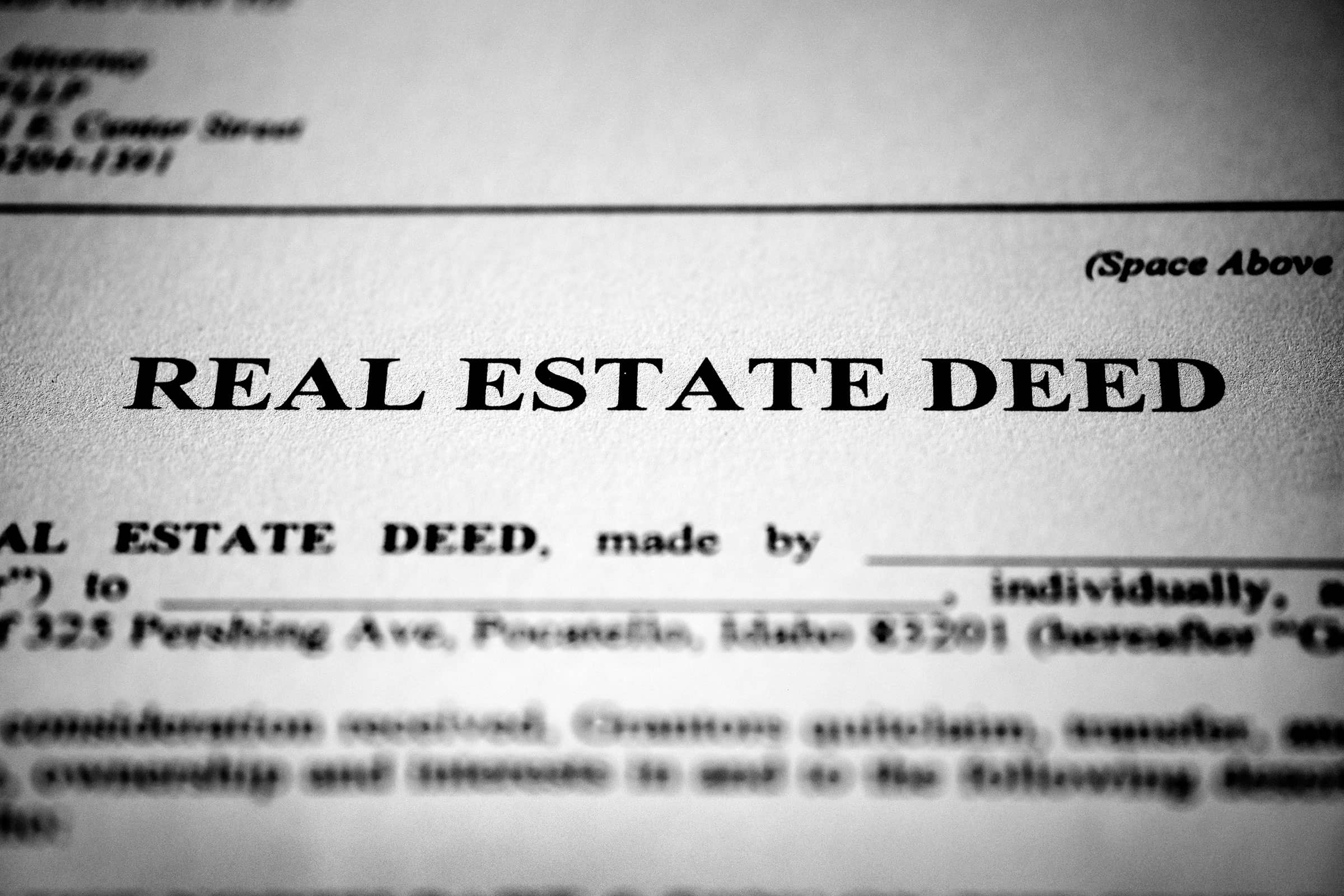
You cannot rely on a basic deed to protect your most valuable asset. If the home had been transferred into a properly structured Irrevocable Trust (like the Bulletproof Trust) well before the health crisis, it would have been legally severed from your personal estate. Medicaid cannot place a lien on a house you do not legally own.
Control the steering wheel, but let the Trust own the car.
CASE STUDY
The Widow Who Paid Twice
Robert and Helen (both 76) owned a beautiful $450,000 home. It was deeded to them jointly. Robert developed Alzheimer's and required four years of nursing home care, which Medicaid subsidized.

(Anonymized from a recent case review in Pennsylvania)
Robert passed away. Helen continued living in the home, completely unaware of the legal mechanics operating in the background. She assumed that because her name was on the deed, the house was hers free and clear.
When Helen passed away five years later, she left the house to her two adult sons. During the probate process, the state filed a MERP claim for $312,000 to recover the exact cost of Robert's care. Because the house was the only asset left, the sons had to sell it. After paying the state, realtor fees, and legal costs, the sons walked away with less than $40,000. Their parents' 40-year investment was wiped out by a single line on a property deed.
Not sure if this structure fits your situation? Every family is different. What works for a married couple in Texas looks different from a widow in New York or a business owner in California.
If you want to talk through how this might apply to your specific circumstances, we offer a free 45-minute clarity call with an asset protection specialist. Just answers to your questions and a clear sense of whether this path makes sense for you.
→ Schedule Your Free Clarity Call ←
The "Deed Decoder"
Do not assume your house is protected. Take 10 minutes tonight to verify exactly what you own:
-
[ ] Locate your Deed: Pull your original property deed out of your files.
-
[ ] Read the "Grantee" Line: Look at how your names are listed. If it says "John Doe and Jane Doe, Joint Tenants" or "Tenants by the Entirety", your home is completely exposed to lawsuits and Medicaid recovery.
-
[ ] Check for Trust Titling: If you have already paid a lawyer to build a Trust, your deed must list the Trust as the owner (e.g., "John Doe, Trustee of the Doe Family Trust"). If it doesn't, your Trust is an empty bucket.
FROM THE INBOX
Q: "I read that the new 2026 tax law changes protect our assets. Doesn't that mean my house is safe?"
A: Absolutely not. This is a very dangerous misconception circulating right now.
It is true that the "One Big Beautiful Bill Act" increased the federal unified estate and gift tax exemption to $15 million per individual beginning on January 1, 2026. This prevents the exemption from dropping back down to $7 million.
However, that law only protects you from the IRS. The IRS and Medicaid are two completely different entities. The IRS won't tax your $500,000 house when you die, but the state Medicaid office will absolutely seize it to pay for your nursing home care.
Tax planning is not Asset Protection. You need both.
HOW DID YOU LIKE THIS WEEK'S NEWSLETTER?
Your feedback helps us make this briefing even better.
If you found this intelligence valuable, please forward it to a friend or family member who needs to protect their legacy. We grow through your word-of-mouth.
Questions? Reply to this email or contact us at legalteam@lambergg.com
DISCLAIMER: This newsletter is for educational purposes only. Lambergg provides asset protection education, not legal advice. The information presented reflects general principles and may not apply to your specific situation. Tax laws, estate planning rules, and asset protection strategies vary by state and change frequently. Always consult with a qualified attorney and tax professional for advice tailored to your individual circumstances. Nothing in this briefing should be construed as creating an attorney-client relationship.
What does the "Grantee" line on your deed actually say?
Take a look tonight. Reply to this email and let me know how your property is titled. I read every single response personally, and I can let you know if you are on the right track.
Until then, sleep well and protect what matters.
The Lambergg Team