
Welcome back to Lambergg’s Insiders.
Today, we are talking about the most expensive illusion in the estate planning world. It is a mistake made by incredibly smart, responsible people who paid thousands of dollars to do the right thing, only to leave their families completely unprotected.
Let's dive in.
LEGACY TIP OF THE WEEK
Beware the "Zombie Will"
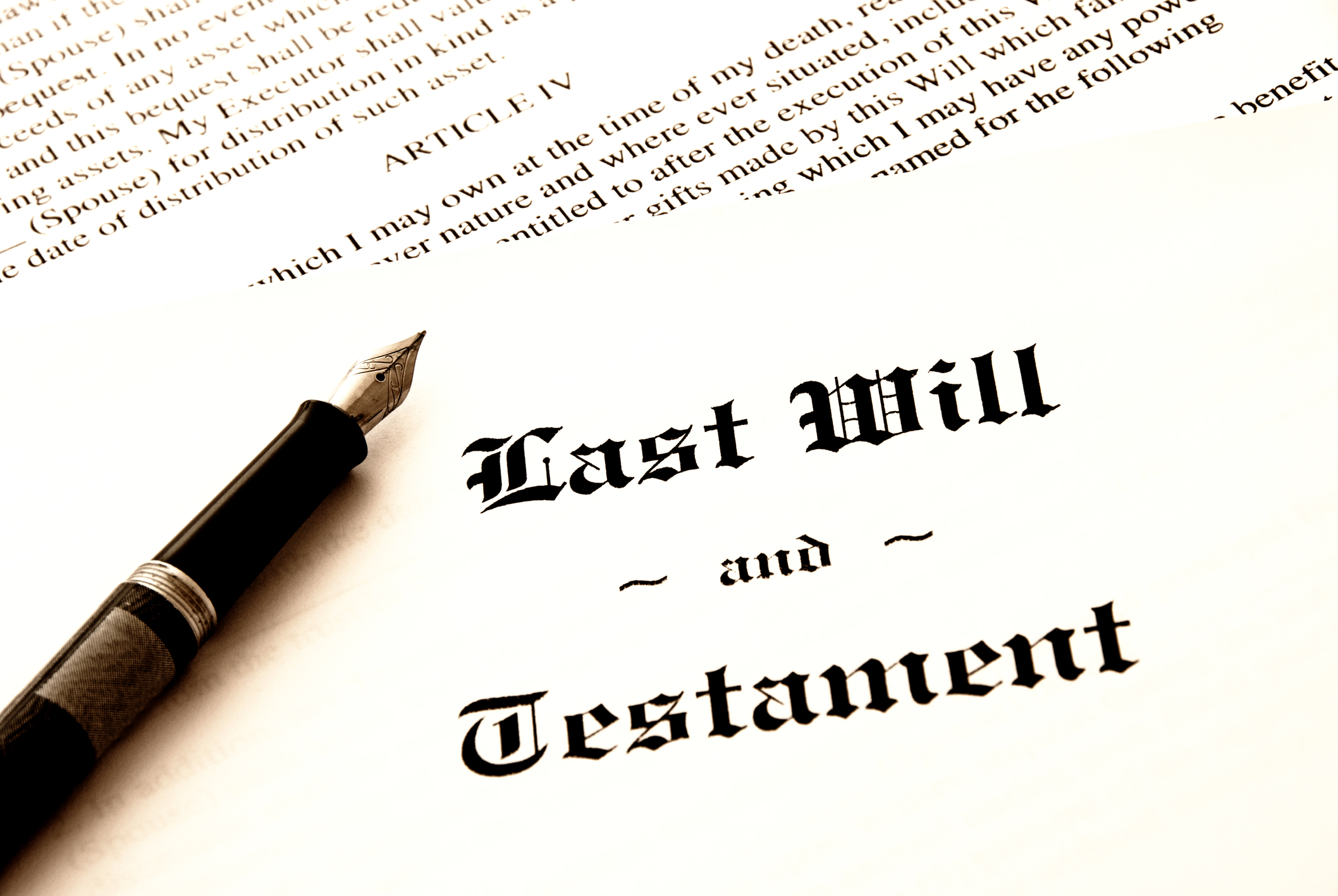
When you upgrade your estate plan, whether moving from an old Will to a new Will, or upgrading to a Bulletproof Trust, what do you do with the old documents? If you simply toss them in the back of a filing cabinet, you are creating a "Zombie Will."
After you pass away, if a disgruntled family member finds that old Will from 2012 (where they were getting a larger share), they can submit it to the probate court and challenge your new plan. It forces your Executor into a costly legal defense to prove which document is valid.
When you sign a new estate plan, physically destroy the old originals. Put them through a cross-cut shredder. Burn them in the fireplace. Leave zero paper trail of your previous intentions.
The "Empty Trust" (Why Your Binder Might Be Useless)
We see it every week. A client hops on a video call with us, holding up a beautiful, leather-bound binder to the webcam. They smile and say, "I'm fully protected. I paid a lawyer $5,000 to set up this Trust five years ago."
We review the digital files they sent over. The legal language is flawless. The Trust is perfectly drafted.
But when we pull up their bank statements and property deeds, we have to deliver devastating news: "Your Trust is empty."
Think of a Trust like a state-of-the-art steel vault. You paid a lawyer to build the vault. You installed the best locks. You gave your Successor Trustee the combination. But a vault does not protect your gold if you leave the gold sitting on the kitchen counter.
In legal terms, this is called "Failing to Fund the Trust."
A Trust only protects the assets that are legally titled in its name. If you sign a 50-page Trust agreement, but your $500,000 brokerage account is still held in the name of "John Smith, Individual," that money is not in the vault.
If you get sued, the creditor takes it. If you go to a nursing home, Medicaid takes it. When you die, your family has to go through a 12-month probate process to get it.

Signing the Trust document is only Step 1.
Step 2 is the "Funding Phase." You must proactively contact your bank, your broker, and your county recorder to change the legal owner of your assets from "You" to "Your Trust."
(e.g., Changing the account name from "Robert Jones" to "Robert Jones, Trustee of the Jones Family Trust").
CASE STUDY
The $700k Account That Missed the Vault
David (71) paid a local attorney to draft a comprehensive Asset Protection Trust. He wanted to ensure his current wife and his children from a previous marriage were all taken care of without fighting. The attorney handed David the binder and told him to "move his assets into it."
David successfully filed a new deed transferring his house into the Trust. However, he had an $700,000 brokerage account. He meant to go to the bank to change the title, but he got busy and forgot. Worse, that specific brokerage account still had a "Payable on Death" (POD) beneficiary form from 15 years ago, listing his ex-wife.

(Anonymized from a recent case review in Arizona)
When David passed away, the house was safe inside the Trust. But the $700,000 brokerage account was sitting on the "kitchen counter." Because the account was never funded into the Trust, the outdated POD form controlled the money. The $700,000 was legally transferred to his ex-wife. His current wife and children had to spend $40,000 in legal fees trying to sue the ex-wife, but the court ruled against them. David's true intentions were defeated by a single piece of missing paperwork.
Not sure if this structure fits your situation? Every family is different. What works for a married couple in Texas looks different from a widow in New York or a business owner in California.
If you want to talk through how this might apply to your specific circumstances, we offer a free 45-minute clarity call with an asset protection specialist. Just answers to your questions and a clear sense of whether this path makes sense for you.
→ Schedule Your Free Clarity Call ←
The 3-Point Funding Audit
Do not assume your assets are in the vault. Verify it this weekend. Look at your most recent statements for the following three assets:
-
[ ] Your Primary Checking/Savings: Does the name on the top of your bank statement say "Trustee" or "Trust"? If it just says your name, it is not funded.
-
[ ] Your Brokerage/Investment Accounts: Call your advisor on Monday. Ask them: "Is this account owned by my Trust, or is it an individual account?"
-
[ ] Your Life Insurance: Your Trust cannot "own" you, but your Trust should likely be listed as the Primary Beneficiary of your life insurance policy so the payout flows directly into your protected structure (consult your attorney on your specific setup).
FROM THE INBOX
Q: "My lawyer gave me a 'Pour-Over Will' with my Trust. Doesn't that automatically catch any assets I forgot to put in the Trust?"
A: Yes and No. This is a massive point of confusion.
A "Pour-Over Will" acts as a safety net. It says: "If I die and forgot to put an asset into my Trust, I want the court to pour it into my Trust for me."
But read that sentence carefully. "I want the COURT to pour it in." If you rely on a Pour-Over Will to fund your Trust after you die, those forgotten assets must still go through Probate Court before they can enter the Trust. It defeats the entire purpose of having a Trust in the first place! The Pour-Over Will is a backup parachute; it is not a replacement for properly funding your Trust while you are alive.
HOW DID YOU LIKE THIS WEEK'S NEWSLETTER?
Your feedback helps us make this briefing even better.
If you found this intelligence valuable, please forward it to a friend or family member who needs to protect their legacy. We grow through your word-of-mouth.
Questions? Reply to this email or contact us at legalteam@lambergg.com
DISCLAIMER: This newsletter is for educational purposes only. Lambergg provides asset protection education, not legal advice. The information presented reflects general principles and may not apply to your specific situation. Tax laws, estate planning rules, and asset protection strategies vary by state and change frequently. Always consult with a qualified attorney and tax professional for advice tailored to your individual circumstances. Nothing in this briefing should be construed as creating an attorney-client relationship.
When you look at your primary bank statement today, whose name is actually on it?
Is it your personal name, or the name of your Trust?
Reply directly to this email and let me know. I read every single response personally, and I can tell you if you have a "funding gap" you need to fix.
Until then, sleep well and protect what matters.
The Lambergg Team