Welcome back to Lambergg’s Insiders.
This week, we are looking at a very specific "kitchen table" mistake. It happens when families are successful enough to buy a second home, a timeshare, or a vacation cabin but fail to realize that real estate doesn't play by the same rules as a bank account.
Let's dive in.
LEGACY TIP OF THE WEEK
The "Missing Money" Search
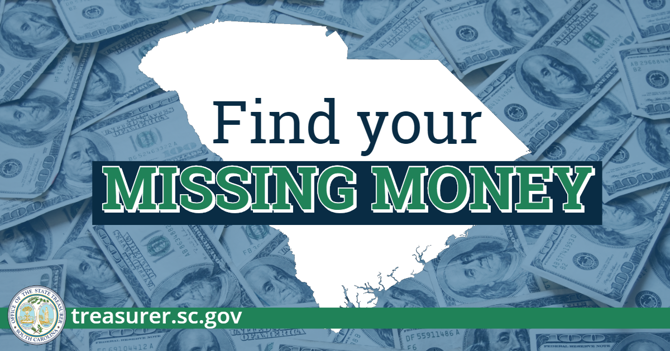
Did you know state governments are currently holding billions of dollars in unclaimed property? This usually comes from forgotten utility deposits, old uncashed insurance checks, or dormant bank accounts from a previous address. Often, these belong to seniors or have been left behind by deceased parents.
Go to MissingMoney.com (the official, free site endorsed by the National Association of Unclaimed Property Administrators). Type in your name, your spouse's name, and the names of your late parents. If you find a match, the site directs you to your state's treasury website to claim it for free. Do not pay a third-party service to do this for you.
Ancillary Probate: The "Double Probate" Nightmare
You probably already know that if you rely only on a Last Will and Testament, your family has to go through Probate in your home state. It is public, it takes 9 to 18 months, and it costs thousands in attorney fees.
But what if you live in Texas, and you own a vacation condo in Florida? Or a family cabin in Colorado? Or a timeshare in Nevada?
This triggers a legal nightmare called Ancillary Probate.
The Rules of the Road: The probate court in your home state only has jurisdiction over property inside that state. A judge in Texas cannot legally transfer the deed of a house in Florida.
The Consequence: If you pass away with out-of-state property in your personal name, your Executor (usually your child) has to open a primary probate case in your home state. Then, they have to hire a second attorney in the state where the vacation home is located, and open a second probate case there.
-
Double the attorney fees.
-
Double the court costs.
-
Double the paperwork and delays.

This entire headache is eliminated if you hold the out-of-state property in a properly structured Irrevocable Trust like the Bulletproof Trust.
Why? Because a Trust does not die, and a Trust has no borders. If the Trust owns the Florida condo, your passing does not trigger a transfer of ownership. The Trust simply continues to own the property, and your Successor Trustee takes over management instantly. No courts. No double attorney fees.
CASE STUDY
The $20,000 Timeshare That Cost $6,500 to Inherit
Richard (74) lived in Ohio. Years ago, he purchased a timeshare in South Carolina for family vacations. It was fully paid off and valued at roughly $20,000. He held the deed in his personal name.

Richard passed away. His daughter, Emily, was the Executor of his Ohio estate. She handled the Ohio probate process smoothly. But when she tried to sell the South Carolina timeshare, the resort management told her she didn't have the legal authority to sign the deed.
Emily had to hire a probate attorney in South Carolina. Because she lived out of state, everything took longer. By the time the Ancillary Probate was finished 11 months later, she had paid $4,000 in South Carolina legal fees, plus $2,500 in mandatory maintenance fees to the resort while the timeshare sat empty. She spent $6,500 of her father's estate just to legally inherit an asset she intended to sell anyway.
Not sure if this structure fits your situation? Every family is different. What works for a married couple in Texas looks different from a widow in New York or a business owner in California.
If you want to talk through how this might apply to your specific circumstances, we offer a free 45-minute clarity call with an asset protection specialist. Just answers to your questions and a clear sense of whether this path makes sense for you.
→ Schedule Your Free Clarity Call ←
The "Deed Audit"
Do not let a beautiful family vacation home turn into a financial burden for your children. Take 15 minutes this week to do the following:
-
[ ] Gather your deeds: Pull the physical deeds for your primary residence, any vacation homes, rental properties, or timeshares.
-
[ ] Check the Grantee line: Does it list your personal name (e.g., "John Smith and Mary Smith")? Or does it list your Trust (e.g., "John Smith, Trustee of the Smith Family Trust")?
-
[ ] Contact your attorney: If you have a Trust, but your out-of-state properties are still in your personal name, ask your attorney to draft a "Quitclaim Deed" or "Warranty Deed" to formally transfer those properties into the Trust immediately.
FROM THE INBOX
Q: "Can I just use a 'Transfer on Death' (TOD) deed for my house to avoid probate, instead of setting up a Trust?"
A: You can, but it is a massive gamble with your family's protection.
About 30 states allow TOD deeds for real estate. It acts like a beneficiary form for your house, bypassing probate when you die. However, TOD deeds offer ZERO asset protection. If you leave your home to your son via a TOD deed, the house immediately becomes his personal property the day you pass. If he is going through a messy divorce, his spouse can come after the house's value. If he gets into a car accident and is sued, the plaintiff can put a lien on the house.
A Bulletproof Trust bypasses probate and provides a fortress of protection around the asset after you are gone. Do not trade lifetime protection for a cheap legal shortcut.
HOW DID YOU LIKE THIS WEEK'S NEWSLETTER?
Your feedback helps us make this briefing even better.
If you found this intelligence valuable, please forward it to a friend or family member who needs to protect their legacy. We grow through your word-of-mouth.
Questions? Reply to this email or contact us at legalteam@lambergg.com
DISCLAIMER: This newsletter is for educational purposes only. Lambergg provides asset protection education, not legal advice. The information presented reflects general principles and may not apply to your specific situation. Tax laws, estate planning rules, and asset protection strategies vary by state and change frequently. Always consult with a qualified attorney and tax professional for advice tailored to your individual circumstances. Nothing in this briefing should be construed as creating an attorney-client relationship.
Do you own any property, land, or a timeshare outside of your home state?
If so, is it currently protected by a Trust, or is it sitting in your personal name? Reply directly to this email and let me know. I read every single response personally, and it helps us ensure we are answering the exact questions keeping you up at night.
Until then, sleep well and protect what matters.
The Lambergg Team