Welcome back to Lambergg’s Insiders.
This week, we are exposing a silent trap hiding in almost every family's filing cabinet. It is a document you likely paid good money for, but that your local bank teller might throw in the trash when your family needs it most.
Let's dive in.
LEGACY TIP OF THE WEEK
The "Medical ID" Lock Screen
If you have a medical emergency in public and cannot speak, how do paramedics know your allergies, medications, or who to call?
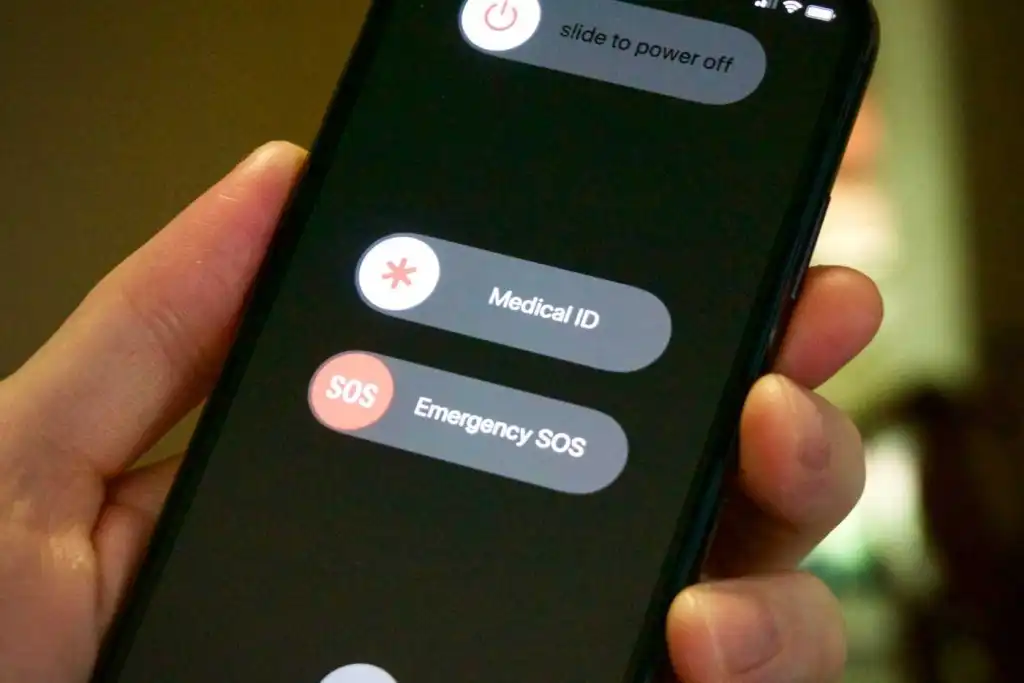
Both Apple and Android phones have a built-in "Medical ID" feature that first responders are trained to check. It allows them to view your critical medical information and emergency contacts directly from your lock screen, without needing your passcode.
-
iPhone: Open the "Health" app > Tap your profile picture > Tap "Medical ID" > Edit and turn on "Show When Locked."
- Android: Go to Settings > Safety & Emergency > "Medical Information" and "Emergency Contacts."
Take 2 minutes to fill this out today. It could literally save your life.
Why Banks Reject Perfectly Legal Powers of Attorney
Most responsible adults visit a lawyer in their 60s, draft a Last Will, and sign a Durable Financial Power of Attorney (POA). They put it in a safe, tell their kids where it is, and consider the job done.
Fast forward 10 years. You suffer a severe stroke or cognitive decline. Your adult child takes your POA to your bank to pay your mortgage and medical bills from your checking account.
The bank manager looks at the POA and says: "I'm sorry, this document is from 2016. It's too old. We require you to fill out our bank's specific internal POA form."
Why? Because you have just suffered a stroke or cognitive decline, you no longer have the legal capacity to sign the bank's new form.
Why do banks do this? Fear of liability. Banks are terrified of elder financial abuse lawsuits. They worry that a 10-year-old POA might have been secretly revoked, or that your child is acting against your wishes. To protect themselves, their legal departments often institute arbitrary rules rejecting POAs older than 3 to 5 years, or demanding their own proprietary forms.
While some states have laws penalizing banks for unreasonable refusal, the bank knows your family doesn't have the time or money to sue them. They hold all the cards.
If the bank freezes your account and you cannot sign new forms, your family is forced to go to court and sue for Guardianship or Conservatorship. This is a grueling, public court process where a judge declares you legally incompetent. It takes months, costs $5,000 to $10,000+ in legal fees, and strips you of your fundamental rights.

You can bypass the bank's arbitrary POA rules entirely by holding your accounts in a properly structured Irrevocable Trust like the Bulletproof Trust. When your money is in a Trust, the bank's "stale POA" rules do not apply. Why? Because your child doesn't use a POA; they step in as the Successor Trustee. They aren't asking the bank for permission to manage your money, they legally become the manager of the Trust that owns the account.
CASE STUDY
The Frozen Checking Account
Arthur (82) was diagnosed with advanced dementia. He had $140,000 in a savings account. Back in 2015, Arthur had responsibly named his daughter, Claire, as his agent under a Durable Power of Attorney.

(Anonymized from a recent case review in Illinois)
Arthur needed to be moved into a memory care facility, which required a $12,000 upfront deposit. Claire took the 2015 POA to Arthur's national branch bank to wire the funds. The bank’s legal department reviewed it and refused to honor it, stating the document was "stale" and that it lacked specific language regarding wire transfers. They froze Arthur's account pending a court order.
Claire could not pay the facility. She had to hire a probate litigator and petition the state for adult guardianship over her own father. The process took 4 months. Claire had to pay the memory care deposit out of her own retirement savings in the interim. The legal fees to get access to Arthur's own money cost the family $8,400.
Not sure if this structure fits your situation? Every family is different. What works for a married couple in Texas looks different from a widow in New York or a business owner in California.
If you want to talk through how this might apply to your specific circumstances, we offer a free 45-minute clarity call with an asset protection specialist. Just answers to your questions and a clear sense of whether this path makes sense for you.
→ Schedule Your Free Clarity Call ←
The "Document Age" Audit
Do not wait for a medical crisis to find out if your bank will honor your paperwork. Do this next week:
-
[ ] Check the Date: Pull your Financial Power of Attorney out of your safe. If it is more than 3 to 5 years old, it is in the "danger zone" for bank rejection.
-
[ ] The "Pre-Approval" Run: Take your current POA to your local bank branch while you are healthy. Ask the manager: "Will your legal department honor this if I become incapacitated, or do you require your own internal form?"
-
[ ] Sign the Internal Forms: If your bank has its own proprietary POA forms, get them, sign them with your chosen agent, and put them on file with the bank immediately.
FROM THE INBOX
Q: "I have a Healthcare Proxy. Doesn't that let my daughter handle my finances too if I'm in the hospital?"
A: Absolutely not. This is a very common and dangerous misconception.
A Healthcare Proxy (or Medical Power of Attorney) only gives your agent the authority to make medical decisions like consenting to surgery, choosing a rehab facility, or talking to your doctors. It gives them zero authority to write a check, pay your mortgage, access your bank accounts, or deal with your insurance company to pay the hospital bill.
You must have both documents: A Healthcare Proxy for the doctors, and a Financial Power of Attorney (or a Trust) for the money. Without both, your family is only half-protected.
HOW DID YOU LIKE THIS WEEK'S NEWSLETTER?
Your feedback helps us make this briefing even better.
If you found this intelligence valuable, please forward it to a friend or family member who needs to protect their legacy. We grow through your word-of-mouth.
Questions? Reply to this email or contact us at legalteam@lambergg.com
DISCLAIMER: This newsletter is for educational purposes only. Lambergg provides asset protection education, not legal advice. The information presented reflects general principles and may not apply to your specific situation. Tax laws, estate planning rules, and asset protection strategies vary by state and change frequently. Always consult with a qualified attorney and tax professional for advice tailored to your individual circumstances. Nothing in this briefing should be construed as creating an attorney-client relationship.
When was the last time you updated or reviewed your estate planning documents?
Has it been 2 years? 5 years? Or more than a decade?
Reply directly to this email and let me know. I read every single response personally, and it helps me understand exactly what kind of guidance you need most.
Until then, sleep well and protect what matters.
The Lambergg Team