
Welcome back to Lambergg’s Insiders.
Today, we are going to bust the biggest, most expensive myth in retirement planning. It is a piece of advice so common that it is shared at country clubs, family dinners, and even in the offices of well-meaning accountants.
If you have given your children or grandchildren money in the last 5 years, brace yourself. What you are about to read is going to change exactly how you look at your estate.
Let's dive in.
LEGACY TIP OF THE WEEK
The "Observation Status" Hospital Trap
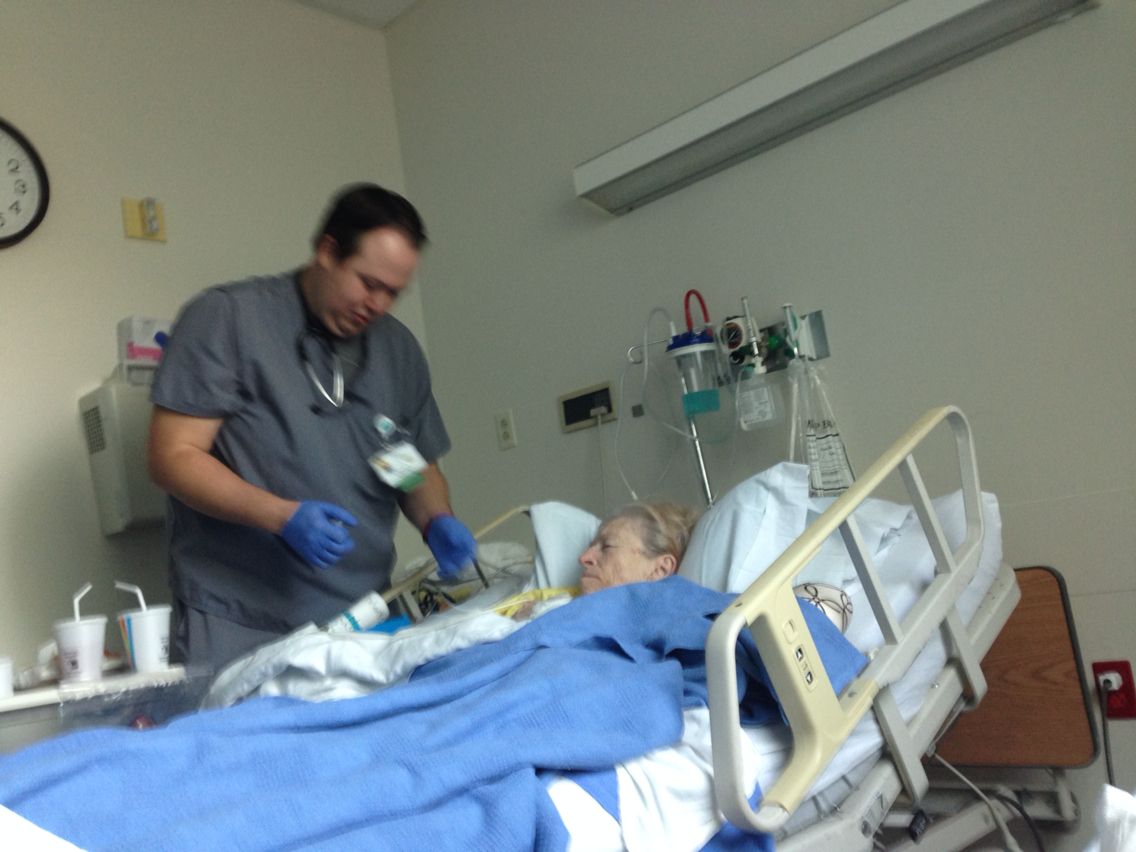
If you or your spouse is rushed to the hospital, Medicare Part A covers the stay. But here is the brutal catch: If the doctor classifies your stay as "Observation Status" instead of formally "Admitted as an Inpatient," it triggers a financial nightmare. If you need to go to a skilled nursing rehab facility after the hospital, Medicare will only pay for it if you were an "Inpatient" for at least three consecutive days. If you were under "Observation" (even if you slept in a hospital bed for 4 days), Medicare pays $0 for your rehab.
If you or a loved one is in the hospital, ask the attending doctor or the floor charge nurse every single day: "Are they formally admitted as an inpatient, or are they here under observation?" If it’s observation, politely but firmly advocate for a formal admission if their medical condition warrants it.
When Good Tax Advice Ruins Your Healthcare
You have probably heard this rule: "You can give anyone up to $19,000 a year, completely tax-free. It’s a great way to reduce your estate so the government can't touch it."
Your CPA loves this rule. Your financial advisor loves this rule. But if you do this, you might accidentally bankrupt your spouse.
Here is the "Industry Secret" that causes families to lose everything: The IRS and Medicaid do not talk to each other. They play by two completely conflicting sets of rules.
The IRS says you can gift up to the annual exclusion amount ($19,000 in 2026) to as many people as you want, without filing a gift tax return. They consider it a perfectly legal, invisible transfer.
Medicaid says that ANY gift you make within 60 months (5 years) of applying for nursing home care is an illegal transfer to hide assets.
Let's say you follow your CPA's advice. You are being a wonderful parent, so you gift $19,000 a year to your son, and $19,000 a year to your daughter for three years. You have given away $114,000 to help them buy houses and pay off student loans.
Then, you suffer a severe stroke. You need to enter a nursing home that costs $12,000 a month. You apply for Medicaid.
Medicaid looks at your bank statements for the last 5 years. They see those $19,000 transfers. You say, "But those were tax-free IRS gifts!" Medicaid replies, "We don't care about the IRS. You gave away $114,000. Because you gave that money away instead of saving it for your healthcare, we are penalizing you."
Medicaid will issue a Penalty Period. They will refuse to pay for your nursing home care for roughly 9 to 10 months. Who has to pay the $12,000/month nursing home bill during that penalty? Your healthy spouse. When they run out of money, your children will have to give the gifted money back just to keep you from getting evicted from the facility.

Never give assets directly to your children to "protect" them. If you want to protect your wealth from the nursing home spend-down, the assets must be transferred into an Irrevocable Asset Protection Trust (like the Bulletproof Trust) before the 5-year look-back begins. Once the 5 years pass, the assets in the Trust are 100% immune to Medicaid penalties, and your children can still benefit from them safely.
CASE STUDY
The Generous Grandfather
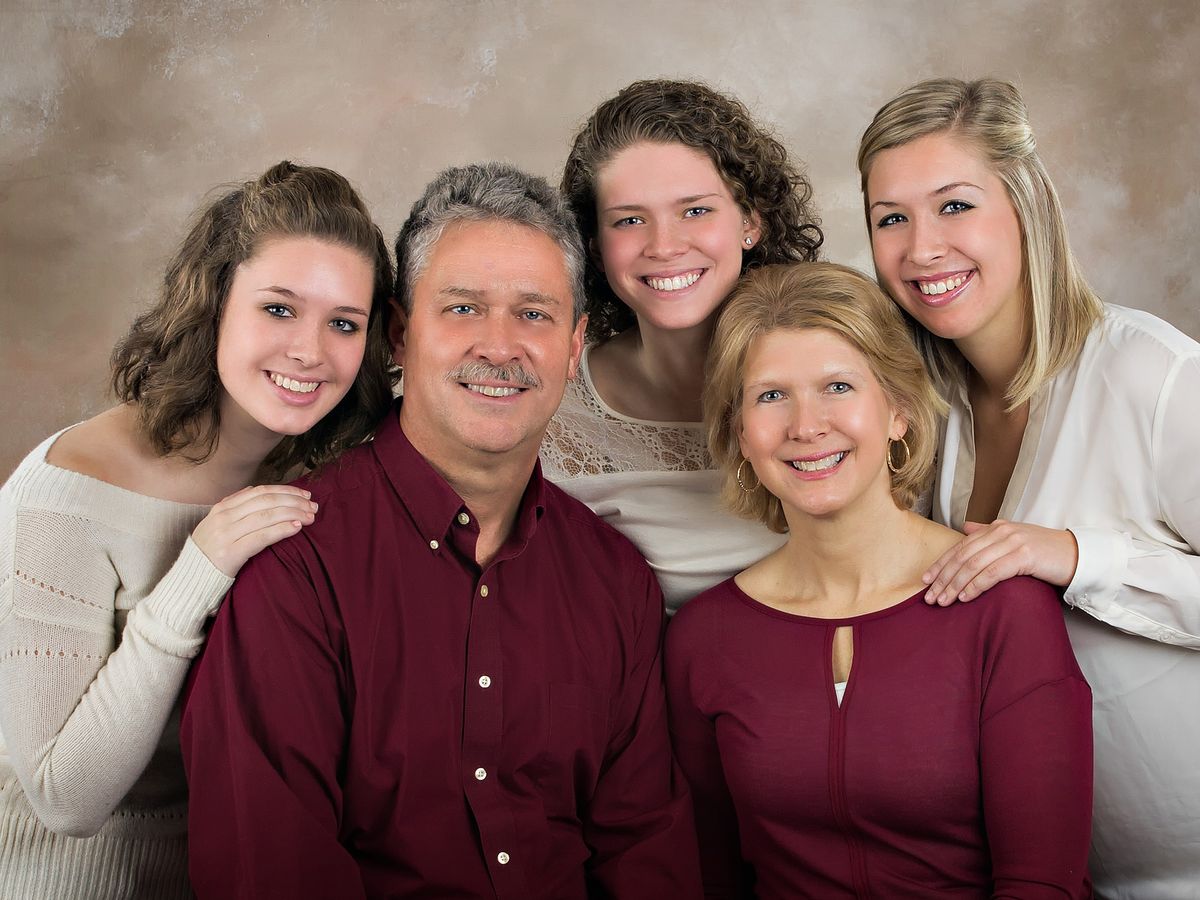
William (77) had three grandchildren heading to college. He was incredibly proud of them. His accountant told him to use the annual gift tax exclusion, so William wrote a $15,000 check to each grandchild every year for four years to help with tuition. Total gifted: $180,000.
William developed advanced Parkinson's disease and required full-time skilled nursing care. His remaining cash depleted quickly, and his family applied for Medicaid.
(Anonymized from a recent case review in Florida)
The Medicaid auditor flagged the $180,000 in tuition checks. Because they occurred during the 5-year look-back window, Medicaid assessed a massive penalty. They denied William's coverage for 18 straight months. Because William’s savings were gone, his grandchildren were forced to drop out of college, take out emergency loans, and pay the nursing home facility out of their own pockets to cover the penalty their grandfather accidentally created. His generosity became their financial prison.
Not sure if this structure fits your situation? Every family is different. What works for a married couple in Texas looks different from a widow in New York or a business owner in California.
If you want to talk through how this might apply to your specific circumstances, we offer a free 45-minute clarity call with an asset protection specialist. Just answers to your questions and a clear sense of whether this path makes sense for you.
→ Schedule Your Free Clarity Call ←
Look-Back Audit
Do not assume your past generosity is safe. Take 5 minutes to review your history:
-
[ ] Did you give a child money for a down payment on a house in the last 5 years? (Medicaid counts this).
-
[ ] Did you sell a used car to your grandson for $1,000 when the Kelley Blue Book value was $8,000? (Medicaid counts the $7,000 difference as a penalized gift).
-
[ ] Have you made unusually large donations to a charity or church recently? (Depending on your state, Medicaid can penalize charitable gifts too).
FROM THE INBOX
Q: "I pay my daughter $1,000 a month to come to my house, buy my groceries, and help me clean. Is Medicaid going to penalize me for gifting her money?"
A: Yes, they will... unless you have the right legal document.
Medicaid assumes any money given to a child is a gift. If you want to pay a family member for caregiving without triggering the 5-year look-back penalty, you must have a formal, written Personal Care Agreement (also known as a Caregiver Contract) in place before you start paying them. It must specify their exact duties, hours, and a fair-market hourly wage. Without that contract, Medicaid views the $1,000/month as an illegal transfer and will penalize you.
HOW DID YOU LIKE THIS WEEK'S NEWSLETTER?
Your feedback helps us make this briefing even better.
If you found this intelligence valuable, please forward it to a friend or family member who needs to protect their legacy. We grow through your word-of-mouth.
Questions? Reply to this email or contact us at legalteam@lambergg.com
DISCLAIMER: This newsletter is for educational purposes only. Lambergg provides asset protection education, not legal advice. The information presented reflects general principles and may not apply to your specific situation. Tax laws, estate planning rules, and asset protection strategies vary by state and change frequently. Always consult with a qualified attorney and tax professional for advice tailored to your individual circumstances. Nothing in this briefing should be construed as creating an attorney-client relationship.
YOUR TURN
Have you used the "Annual Gift Exclusion" to give money to your kids or grandkids recently?
Reply directly to this email and let me know. I read every single response personally, and I can let you know if you need to start the 5-year clock on a better strategy.
Until Friday, protect what matters.
The Lambergg Team